2018年11月16日下午,西北政法大学公安学院院长程军伟教授、江苏警官学院侦查系吕导中政委、江苏省检察院司法鉴定中心宋歌丽主任、《中国司法鉴定》编辑部朱晋峰副主任一行4人应邀做客博彩网址大全-中国博彩网址
,参与了博彩网址大全
这场别开生面的法学学术沙龙活动。此次报告以“漫谈司法鉴定——司法鉴定相关法律法规解读”为主题,由南京师范大学司法鉴定中心主任赵杰教授主持,程军伟教授作为主报告人,吕导中政委、宋歌丽主任、朱晋峰副主任以及博彩网址大全
潘溪副教授、金鑫副教授作为评议人,另有博彩网址大全-中国博彩网址
众多师生参与聆听了此次的沙龙活动。
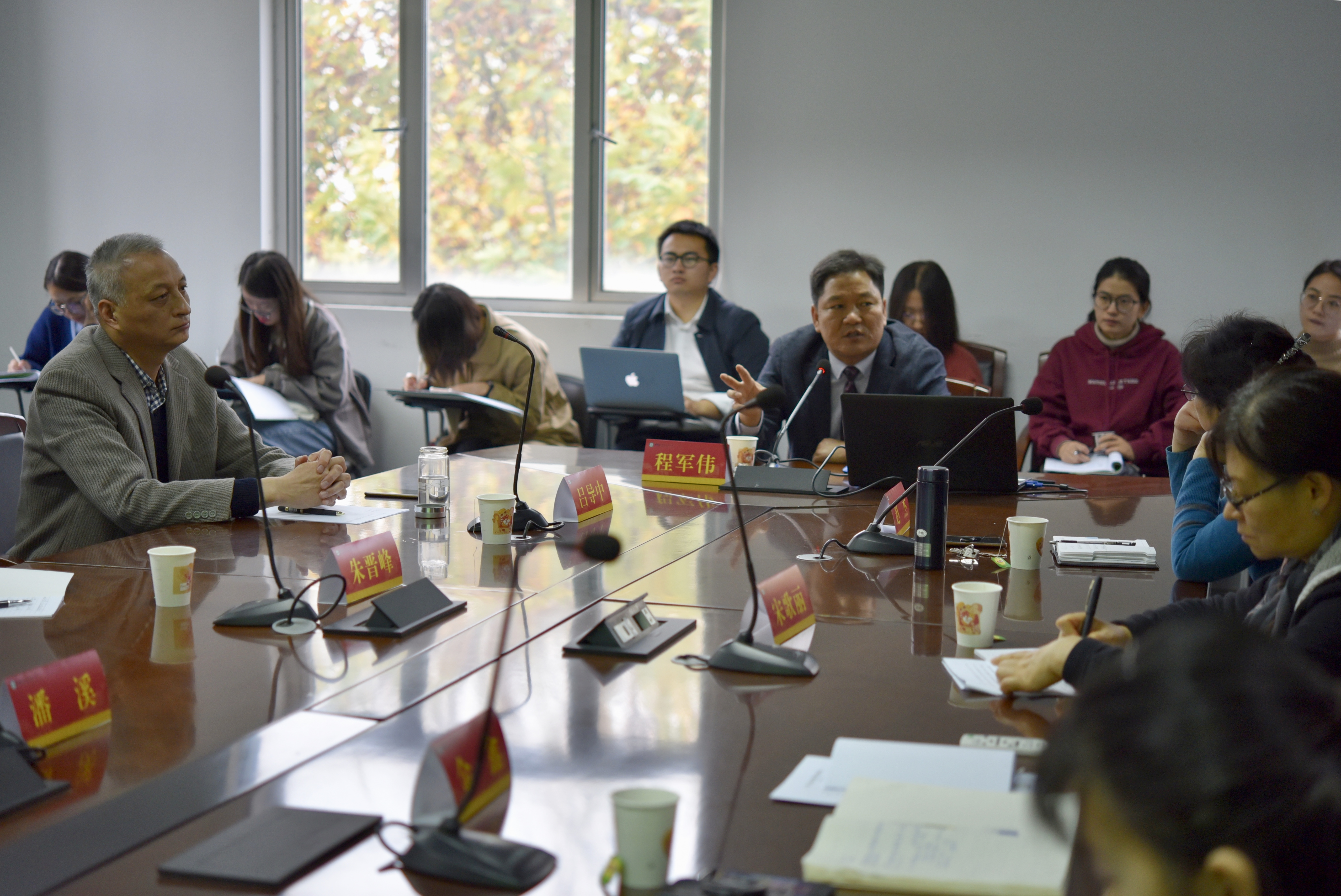
讲座从程军伟教授的报告开始,程军伟教授首先简单介绍了当前司法鉴定改革及其立法背景。从2003年发生在湖南的黄静死亡案件,到2004年围绕该案件引发的媒体报道和社会关注,再到2005年2月28日第十届全国人民代表大会常务委员会第十四次会议通过的《全国人民代表大会常务委员会关于司法鉴定管理问题的决定》(简称“228决定”),程军伟教授深入浅出的向大家介绍了这些年司法鉴定改革的具体情况,认为“228决定”是司法鉴定改革过程中的重要分水岭。根据“228决定”的第七条规定,在此之后仅有侦查机关保留鉴定机构,且不得面向社会接受委托从事司法鉴定业务,而人民法院和司法行政部门不得设立鉴定机构。
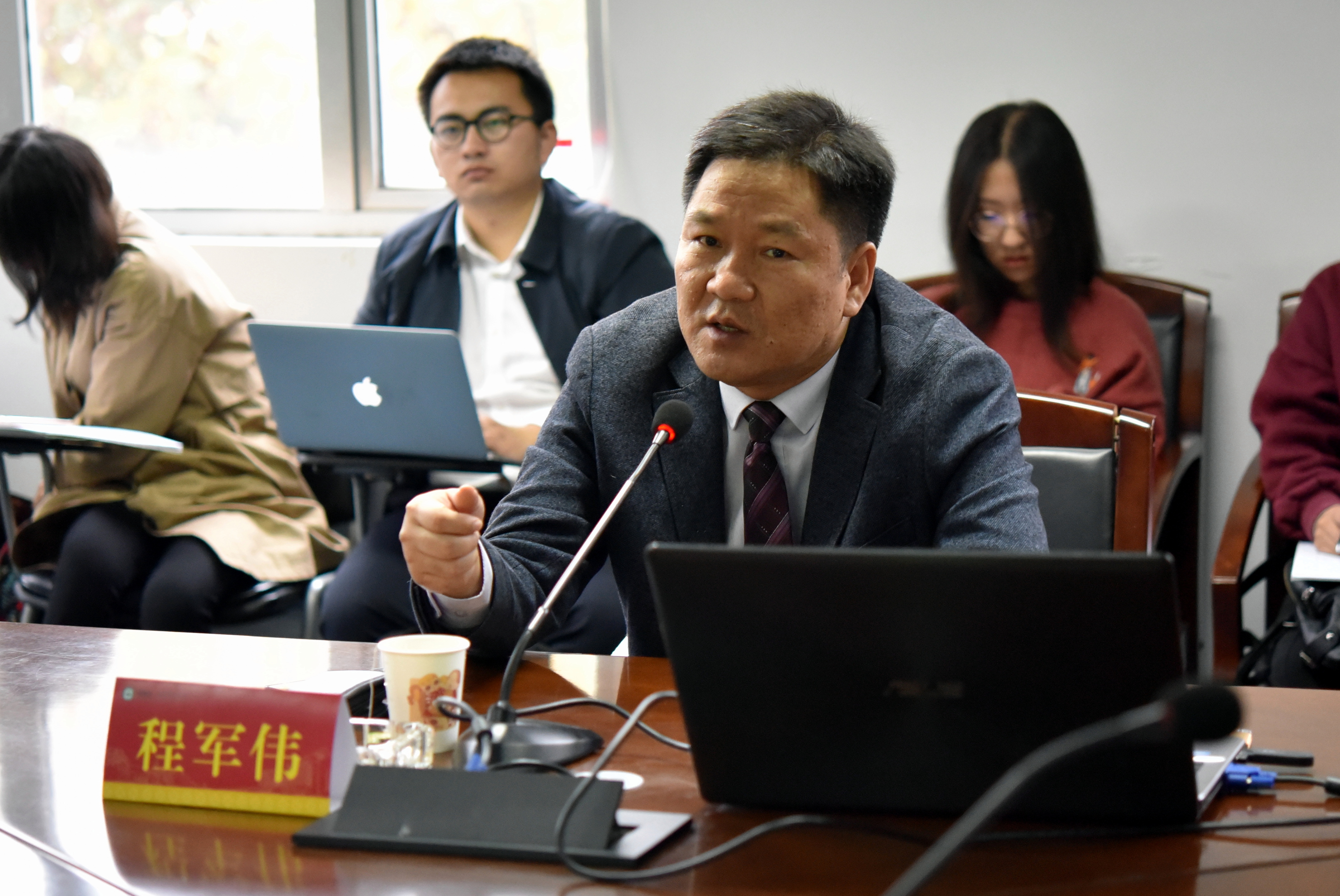
随后,程军伟教授围绕我国当前司法鉴定相关的法律法规,从关于司法鉴定的制度、内涵、主体以及程序四个层面出发,逐一进行了详细的阐述。
首先,从关于司法鉴定的制度出发,程军伟教授分别介绍了当前司法鉴定领域的人事组织制度、管理制度以及程序制度。程军伟教授认为当前司法鉴定机构可以具体分为侦查机关内设鉴定机构、司法行政部门批准的兼职化鉴定机构(高校医院等)以及司法行政部门批准的专职化鉴定机构。同时,围绕《医疗纠纷预防和处理条例》,提出了关于医学会在将来能否享有鉴定权,这一全新领域的问题探讨。以及对于我国当前司法鉴定领域管理制度,即行政部门和行业管理相结合的管理方式,程教授也发表了自己的看法,认为启动全国性的司法鉴定行业协会是十分重要的,而如何解决好行政管理和行业管理两者之间的分工问题也是值得我们深思的。
其次,在司法鉴定内涵方面,程军伟教授从《全国人民代表大会常务委员会关于司法鉴定管理问题的决定》第一条出发,认为司法鉴定具有两大特征,即司法鉴定首先得发生在诉讼活动中,其次司法鉴定所解决的必须是专门性问题,这种专门性就体现在其技术属性和专业属性上。
之后,就司法鉴定中的主体问题,程军伟教授从主体资格和主体资质两个角度出发,重点围绕司法鉴定机构的资质管理评估和司法鉴定质量管理评估工作展开论述,认为当前我国司法鉴定领域的资质管理评估标准仍然有着很大的发展空间,需要进一步的完善。
最后,关于司法鉴定程序,程军伟教授从启动、实施、终结这三个阶段出发,根据其具体的法律依据,逐一进行了细致入微的介绍。
在学生提问的环节,一位14级的法律硕士毕业生,结合自己的司法实务经历,就其中与司法鉴定相关的事务展开了提问,例如醉酒驾驶案件中的关于酒精测试的这一行为的定性等。程军伟教授以及赵杰教授分别对这其做出了细致的回答,让在场的每一位同学都受益匪浅。
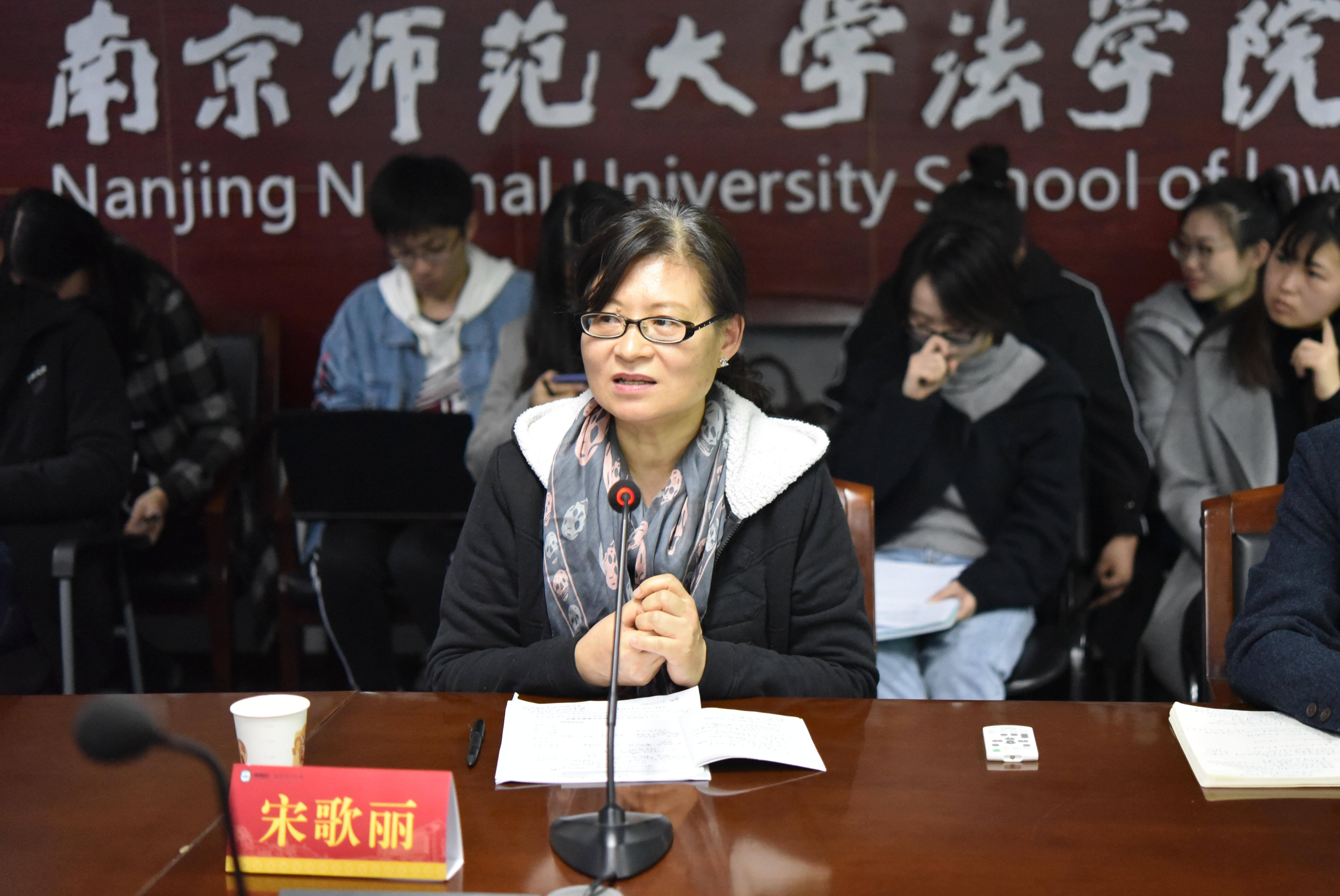
在随后的沙龙活动中,宋歌丽主任就检察系统内司法鉴定技术领域的发展进程展开了生动的介绍,朱晋峰副主任围绕程军伟教授提出的司法鉴定管理制度中行政管理和行业管理的分工问题、复核鉴定中的鉴定意见及责任承担问题、司法鉴定的概念问题以及司法鉴定资质等级管理问题分别发表了自己的看法,而吕导中政委则是从司法鉴定结果的唯一性、大数据技术下司法鉴定面临的新问题等多个不同的视角出发向在场的师生阐述了自己的研学成果和看法。
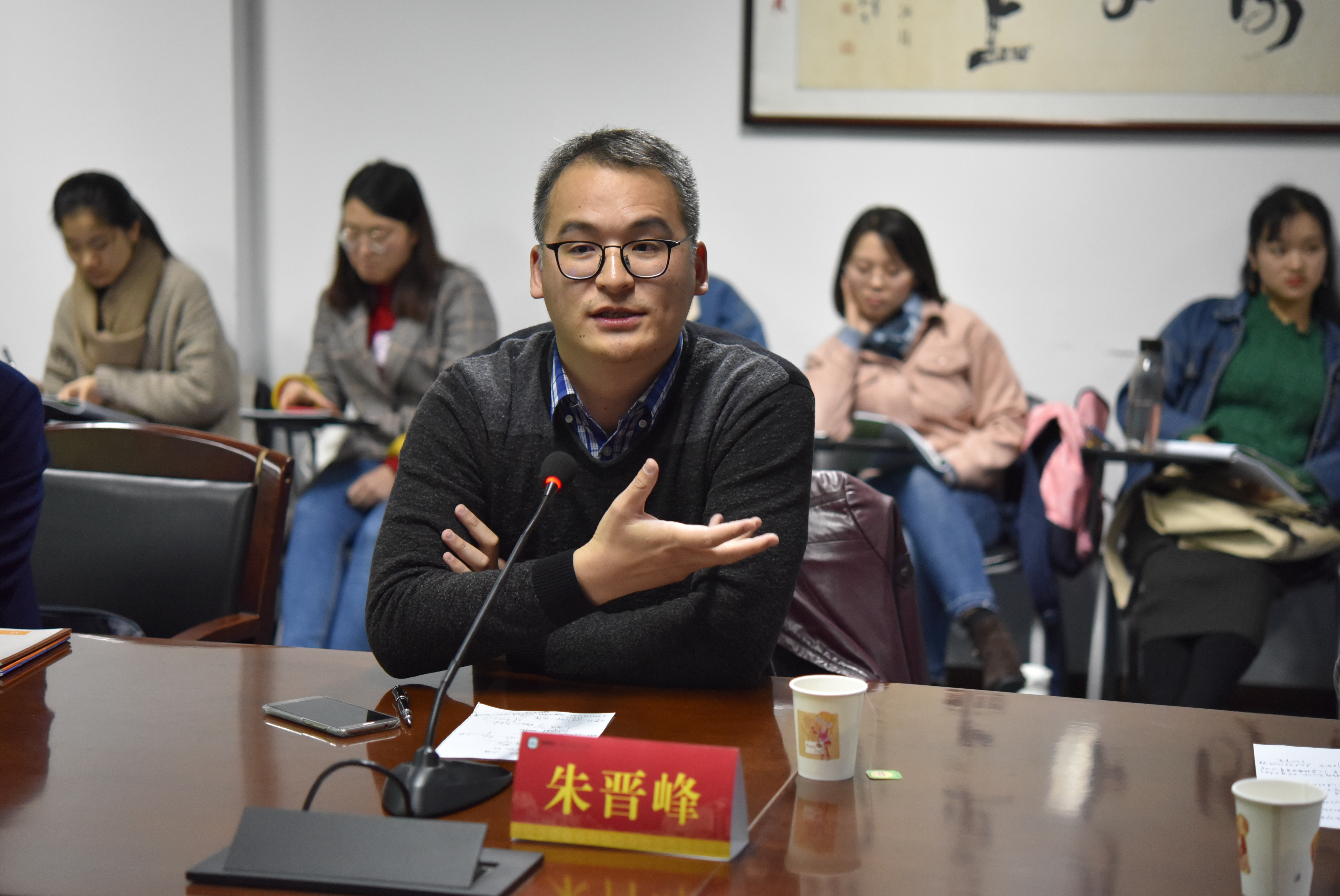
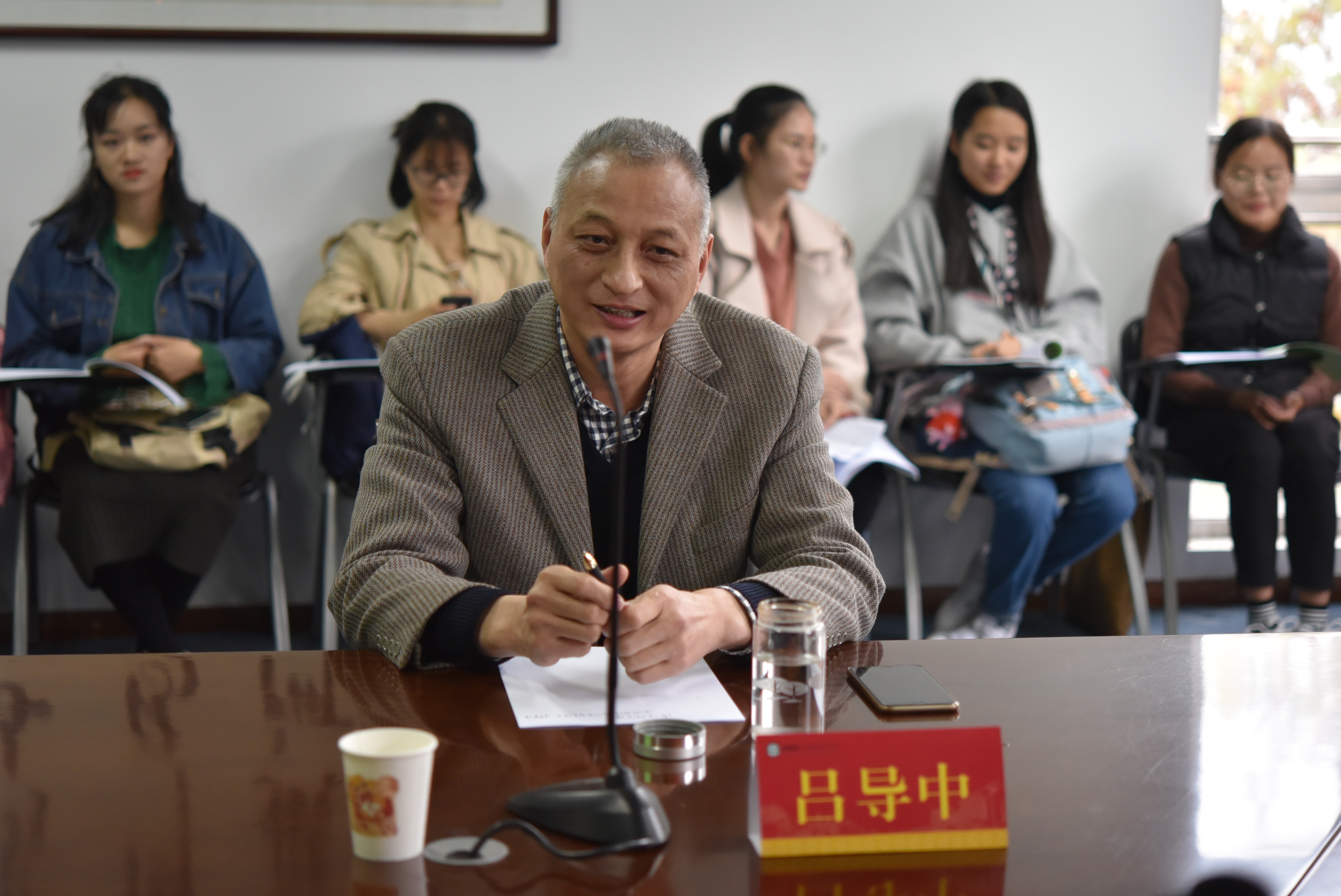
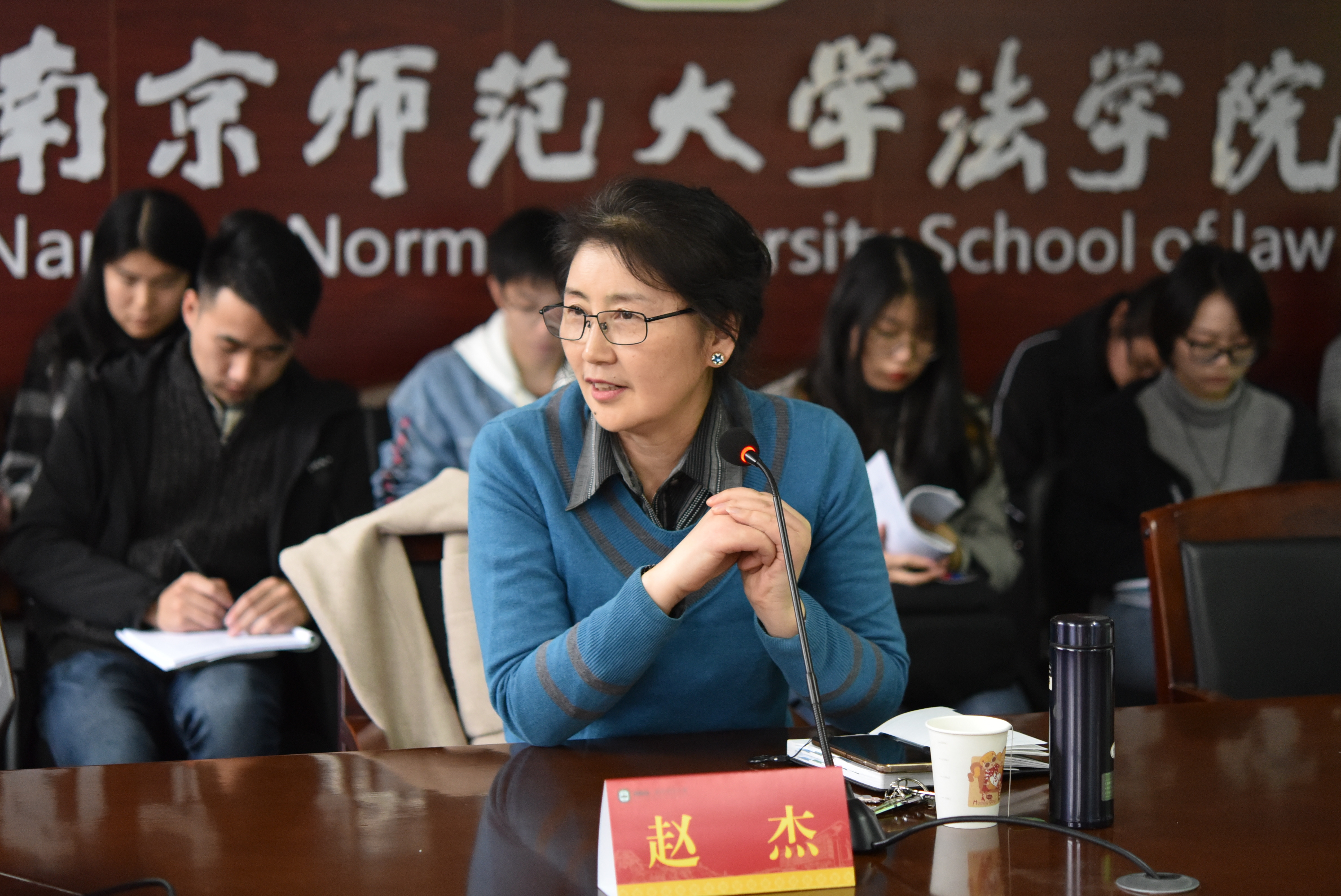
会议的最后,赵杰教授对本次讲座进行了简要总结,指出本次讲座对于同学们今后对学习,研究的重大意义。同在场的同学们提出了许多建议性的要求,认为我们每一位到场的同学在学习吸收了本次活动中的专业性知识的同时,还要认识到自己在过往学习中的不足,认识到开拓视野,增加阅读面的重要性。
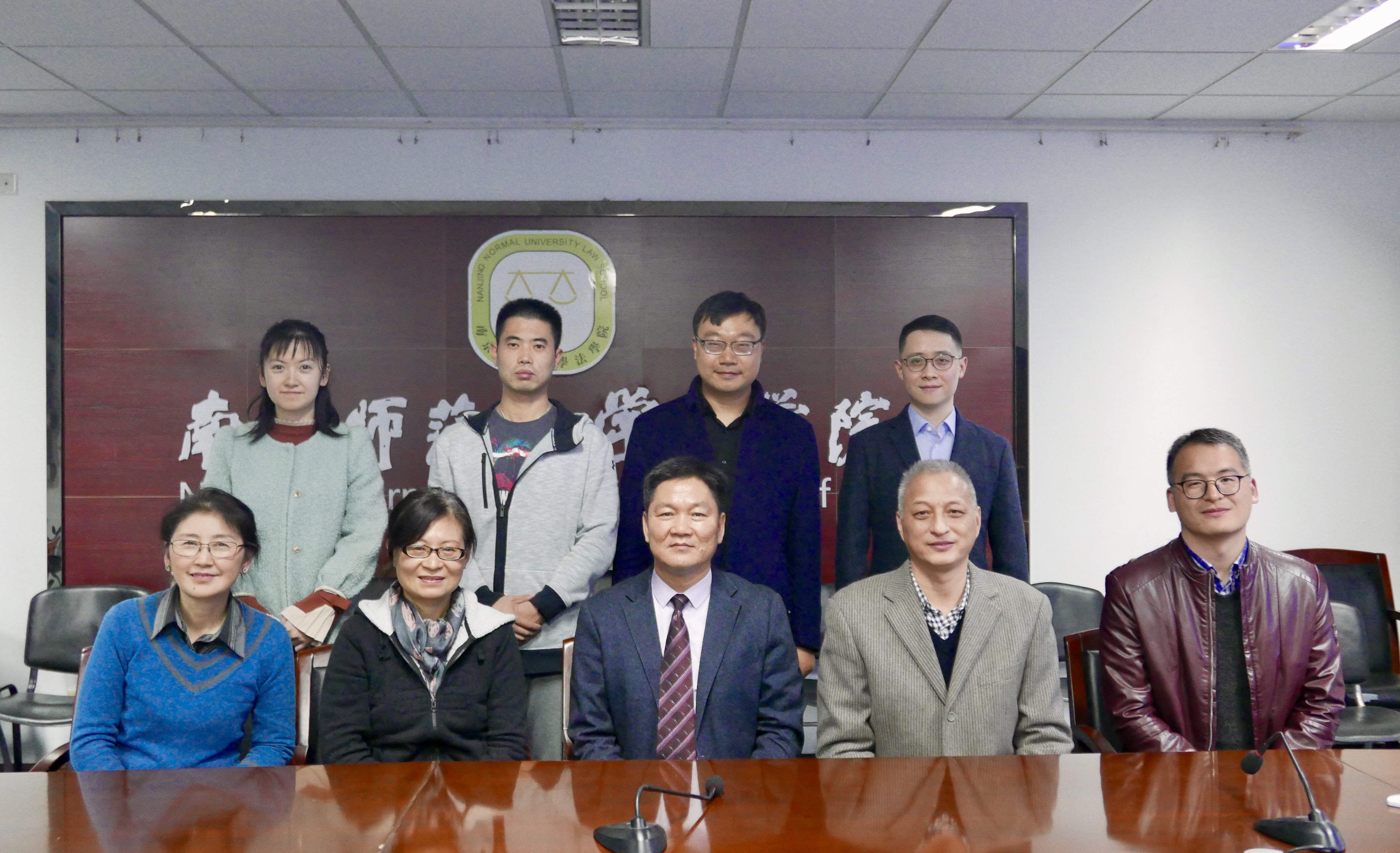
同时,赵杰教授向参与此次沙龙活动的各位学者、师生分别表达了感谢,并期待程军伟教授、吕导中政委、宋歌丽主任和朱晋峰副主任今后再次莅临南师大博彩网址大全
做客讲学。
文:朱明、施孙芳;图:邓艺泓
A Discussion on Forensic Science –Interpretation of the Related Laws and Regulations of Forensic Science
Academic salon successfully held
On the afternoon of November 16, 2018, Professor Cheng Junwei, Dean of the School of Public Security of Northwest University of Political Science and Law, Lu Dingzhong, Political Commissar of the Jiangsu Police Institute, and Song Geli, Director of Forensic Science Center of Jiangsu Provincial People’s Procuratorate, and Zhu Jinfeng, Deputy Director of Editorial Department of the Chinese Journal of Forensic Sciences , were invited to be the law school of Nanjing Normal University and participated in this unique legal academic salon event in our college. The report was based on the theme of “A Discussion on Forensic Science –Interpretation of the Related Laws and Regulations of Forensic Science ”, chaired by Professor Zhao Jie, Director of the Forensic Science Center of Nanjing Normal University, Professor Cheng Junwei as the main speaker, Political Commissar Lu Dingzhong , Director Song Ge Li, Deputy Director Zhu Jinfeng and Associate Professor Pan Xi, Associate Professor Jin Xin, Assistant Professor Hu Jiadong and Wang Yajie of the Forensic Science Center of Nanjing Normal University as commentators, and many teachers and students of Nanjing Normal University Law School participated in the salon.
The lecture began with Professor Cheng Junwei's report. Professor Cheng Junwei first briefly introduced the current reformation of Forensic Science and its legislative background. Then he mentioned the case of Wang Jing in Hunan Province in 2003 and the media reports and social concerns surrounding the case in 2004. Besides, he referred back to "The Decision of the Standing Committee of the National People's Congress on the Administration of Judicial Authentication" ("the 228 Decision"), passed in the fourteenth meeting of the Tenth Standing Committee National People's Congress on February 28, 2005. Prof. Cheng Junwei introduced the specific situation of the reformation of the Forensic Science in these years and said that the "228 decision" is the important watershed. According to Article 7 of the "Decision 228", only the investigating organ retains the expertise institution and may not accept the entrustment of the public. Meanwhile, the people's court and the judicial administrative department can not establish an expertise institution.
Subsequently, Professor Cheng focused on the laws and regulations related to Forensic Science in China and elaborated on the system, connotation, subject and procedure of Forensic Science.
First of all, from the system of Forensic Science, Professor Cheng introduced the personnel organization system, management system and procedure system in the field of Forensic Science. He believed that the current judicial expertise institutions can be divided into the accreditation agencies, the part-time appraisal institutions (university and hospitals, etc.) approved by the judicial administrative department, and the specialized appraisal institutions approved by the judicial administrative department. At the same time, around the "Regulations on Prevention and Treatment of Medical Disputes", he proposed that the medical association can enjoy the right of identification in the future or not. As well as the management system of the current Forensic Science in China, which is the combination of administrative department and industry management. Professor Cheng also expressed his opinion that it is very important to start a national forensic industry association. Besides, how to solve the problem of he division of labor between administrative management and industry management is also worth pondering.
Secondly, in terms of the connotation of Forensic Science , basing on the first article of the Decision of the Standing Committee of the National People's Congress on the Administration of Forensic Science, Professor Cheng believed that Forensic Science has two characteristics. One is that Forensic Science must first occur in litigation activities. The other is that the Forensic Science must solve the specific problems, which are reflected in its technical attributes and professional attributes.
Subsequently, on the subject of the Forensic Science, Professor Cheng started from the perspectives of subject qualification and subject certification, focusing on the qualification management assessment and judicial appraisal quality management evaluation of judicial expertise institutions. He considered that management evaluation standards still have a lot of room for development and need further improvement in China.
Finally, regarding to the procedure of Forensic Science , Professor Cheng discussed the three stages of initiation, implementation and termination, and introduced specific legal basis in detail.
In the session of questioning , a 14-level law graduate student, combining with his own judicial practice experience, asked some related questions to Forensic Science matters, such as the qualitative behavior of alcohol testing in alcohol driving cases. Professor Cheng Junwei and Professor Zhao Jie gave a detailed answer to this, so that everyone in the room would benefit a lot.
In the subsequent salon activities, Director Song Geli introduced the development process of the Forensic Science technological field in the procuratorial system vividly . Then, Deputy Director Zhu Jinfeng published his view on the division of labor management and industry management in the Forensic Science management system proposed by Professor Cheng Junwei. Meanwhile, on the issues of the appraisal opinions and responsibility issues in the review procedure and the concept of Forensic Science and the issue of Forensic Science certification management, he also expressed his own opinions. On the other hand, the political commissar Lu Dingzhong expounded his own research findings and opinions from the perspectives of the uniqueness of the Forensic Science and the new problems faced by the Forensic Science under the pressure of big data technology.
At the end of the meeting, Professor Zhao Jie gave a brief summary of the lecture, pointing out the significance of this lecture for the future study of the students and suggested that every students in this room not only should learn the professional knowledge of this activity but also should recognize their own shortcomings in their past studies and realize the importance of opening up horizons and reading. At the same time, Professor Zhao Jie expressed his gratitude to the scholars, teachers and students who participated in the salon, and looked forward to Professor Cheng Junwei, political commissar Lu Dingzhong , director Song Geli and deputy director Zhu Jinfeng to visit the Nanjing Normal University Law School again.

