2019年1月4日下午,山东大学黄世席教授应邀做客博彩网址大全-中国博彩网址
,为全院师生带来了一场精彩讲座。此次讲座以“国家投资仲裁的发展与法律应对”为主题,由博彩网址大全-中国博彩网址
颜林副教授主持,博彩网址大全-中国博彩网址
30多名研究生前来聆听了此次讲座。
讲座伊始,黄世席教授以尤科斯案为例介绍了国际投资仲裁的概念和内涵。接着,黄教授分别从国际投资仲裁的基本特点、国际投资仲裁的发展现状、国际投资仲裁机制的改革、中国当事人参与的国际投资仲裁案例评价以及中国当事人的应对策略等五个方面进行了论述。
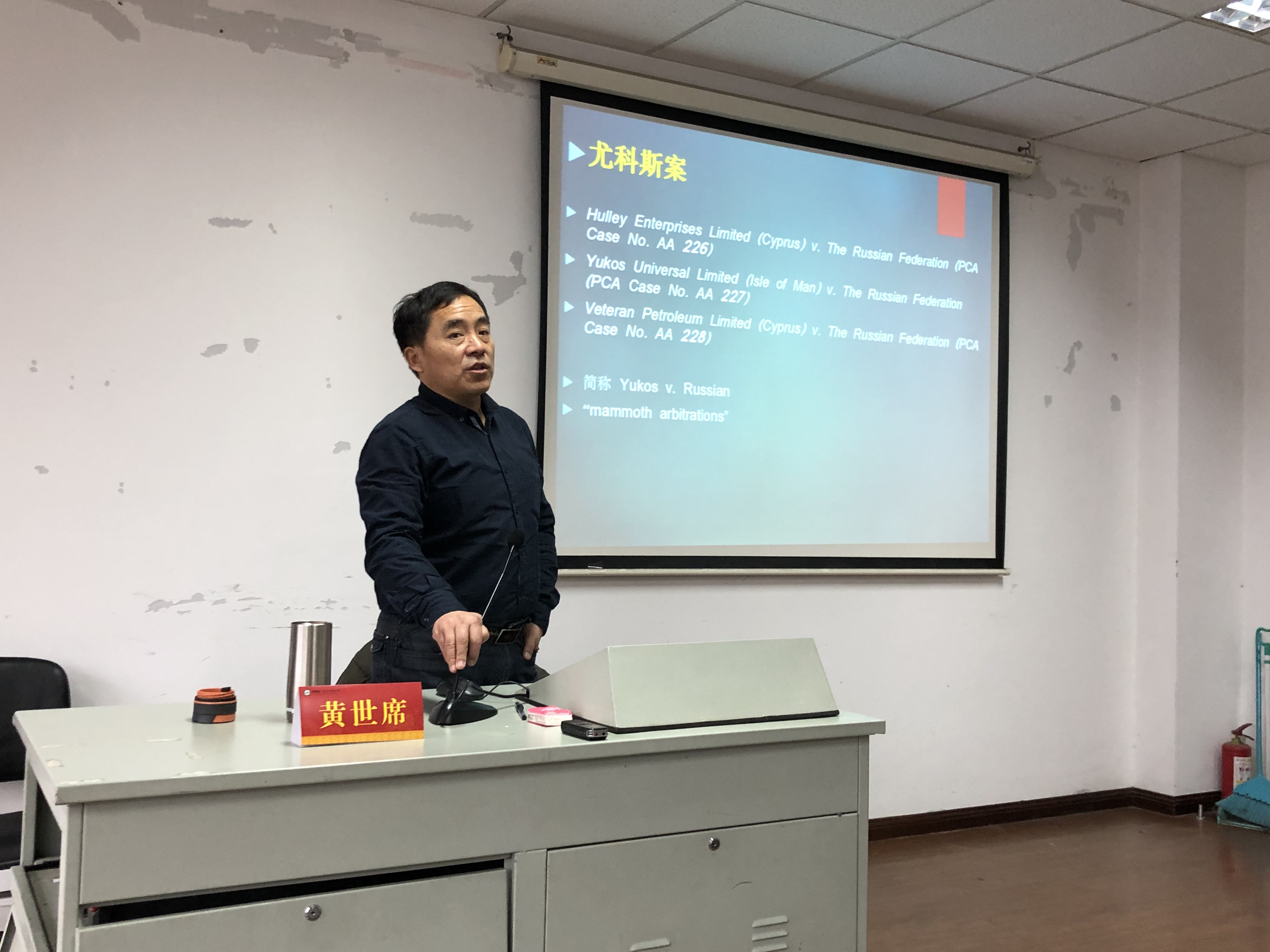
在“国际投资仲裁的基本特点”部分,黄老师分析了提起仲裁的根据、提起仲裁的当事人、仲裁的法律适用以及投资仲裁裁决的承认与执行等问题。黄世席教授指出,国际投资仲裁的根据主要是国际投资条约,但目前已经越来越多地根据投资人与东道国之间签订的投资合同来进行仲裁。此外,他还特别指出了国际投资条约在中国的透明度问题,认为透明度不足给学者们的研究带来了困难。
接着,黄世席教授向大家介绍了国际投资仲裁的近些年的发展状况以及存在的问题,并提出了改革建议。尤其是对于东道国的财政负担、仲裁员的道德、投资者与东道国的权益协调以及东道国的监管权等问题,黄教授予以了详尽的分析。
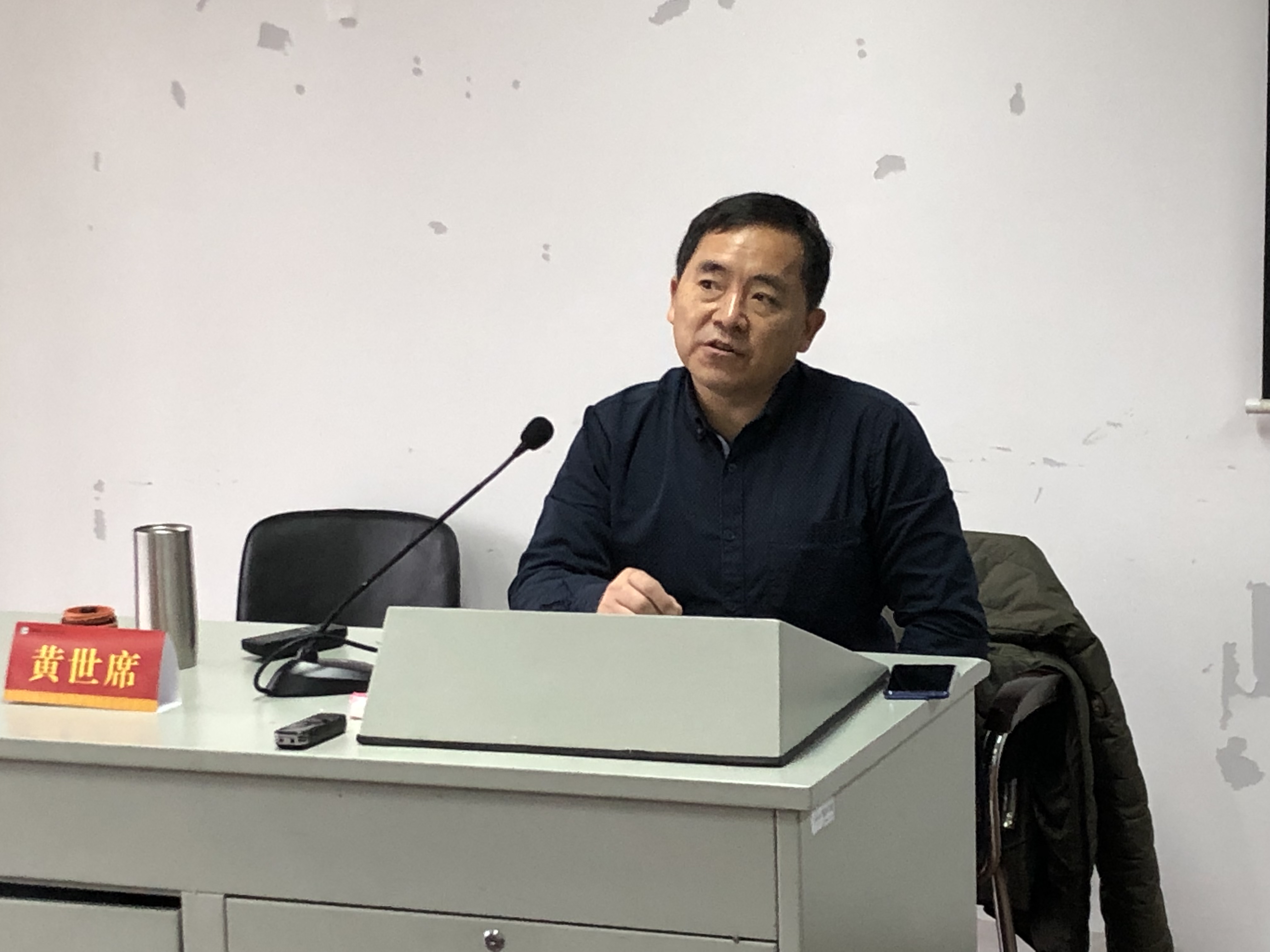
在“中国当事人参与的国际投资仲裁案例评价”部分,黄教授为大家讲解了8起中国当事人参与的国际投资仲裁的案件,其中包括中国作为被诉方的3起案件。
最后,黄世席教授从中国投资者、中国作为东道国以及中国的仲裁机构等三方面讲述了中国当事人对于国际投资仲裁应当如何应对。
在讲座后期的交流互动环节,黄世席教授与颜林副教授以及同学们就国际投资与商事投资的区别、主权让步、国有企业对外投资、利益拒绝条款、对外投资保险与非法投资等问题进行了讨论。

最后,本次讲座以颜林副教授的总结为收端顺利结束。同学们纷纷表示获益匪浅,并以热烈掌声感谢黄世席教授此次的讲座。
(文:黄泽亚;图:黄泽亚)
The Lecture on the Development and Legal Response of International Investment Arbitration held successfully in the Law School
In the afternoon of January 4, 2019, professor Huang Shixi from Shandong Vniversity was invited to the law school of Nanjing Normal University to deliver a wonderful lecture With the title of " Development and Legal Response of International Investment Arbitration” to the faculty and students, Which was hosted by Yan Lin, associate professor of law school. More than 30 graduate students attended the lecture.
Professor Huang started the lecture with the introduction of Yukos case, which was followed with five legal issues: basic characteristics of investment arbitration, the development of international investment arbitration, the reform of international investment arbitration mechanism, the evaluation of some cases involving Chinese parties and the possible measures of Chinese parties in those cases.
On "basic characteristics of international investment arbitration", professor Huang analyzed the basis of the initiation of arbitration, the parties that initiated the arbitration, the application of the arbitration law, and the recognition and enforcement of verdict. Professor Huang pointed out that the basis of international investment arbitration was mainly composed of international investment treaties, but now more and more arbitration is conducted according to investment contracts signed between investors and host countries. In addition, he also pointed out the transparency of international investment treaties in China, arguing that the lack of transparency has caused difficulties for academic research.
Then, professor Huang introduced the development of international investment arbitration in recent years and the problems behind the development, and put forward suggestions on reform. In particular, professor Huang made a detailed analysis of the financial burden of the host country, the morality of arbitrators, the rights and interests coordination between investors and the host country, and the supervision right of the host country.
On "evaluation of international investment arbitration cases involving Chinese parties", professor Huang explained 8 cases involving Chinese parties in international investment arbitration, which includ 3 cases as the respondent.
Finally, professor Huang described the possible ways for Chinese parties to respond to international investment arbitration from three aspects: Chinese investors, China as the host country and Chinese arbitration institutions.
On Question & Answer, professor Huang answered some questions, such as the differences between international investment and commercial investment, sovereignty concession, foreign investment by state-owned enterprises, interest rejection clause, foreign investment insurance and illegal investment, etc.
At the end of the lecture, professor Yan Lin made a brief conclusion. And the students thanked professor Huang for his great lecture with warm applause.

