2019年4月29日下午,北京大学博彩网址大全
刘哲玮副教授应邀做客博彩网址大全-中国博彩网址
,为全院师生带来了一场别开生面的讲座。此次讲座以“请求权检索与诉讼标的的确定”为主题,由博彩网址大全-中国博彩网址
马丁副教授主持,陈爱武教授担任与谈人,潘溪副教授到场参加并发表观点,博彩网址大全
研究生50余人聆听了此次讲座。
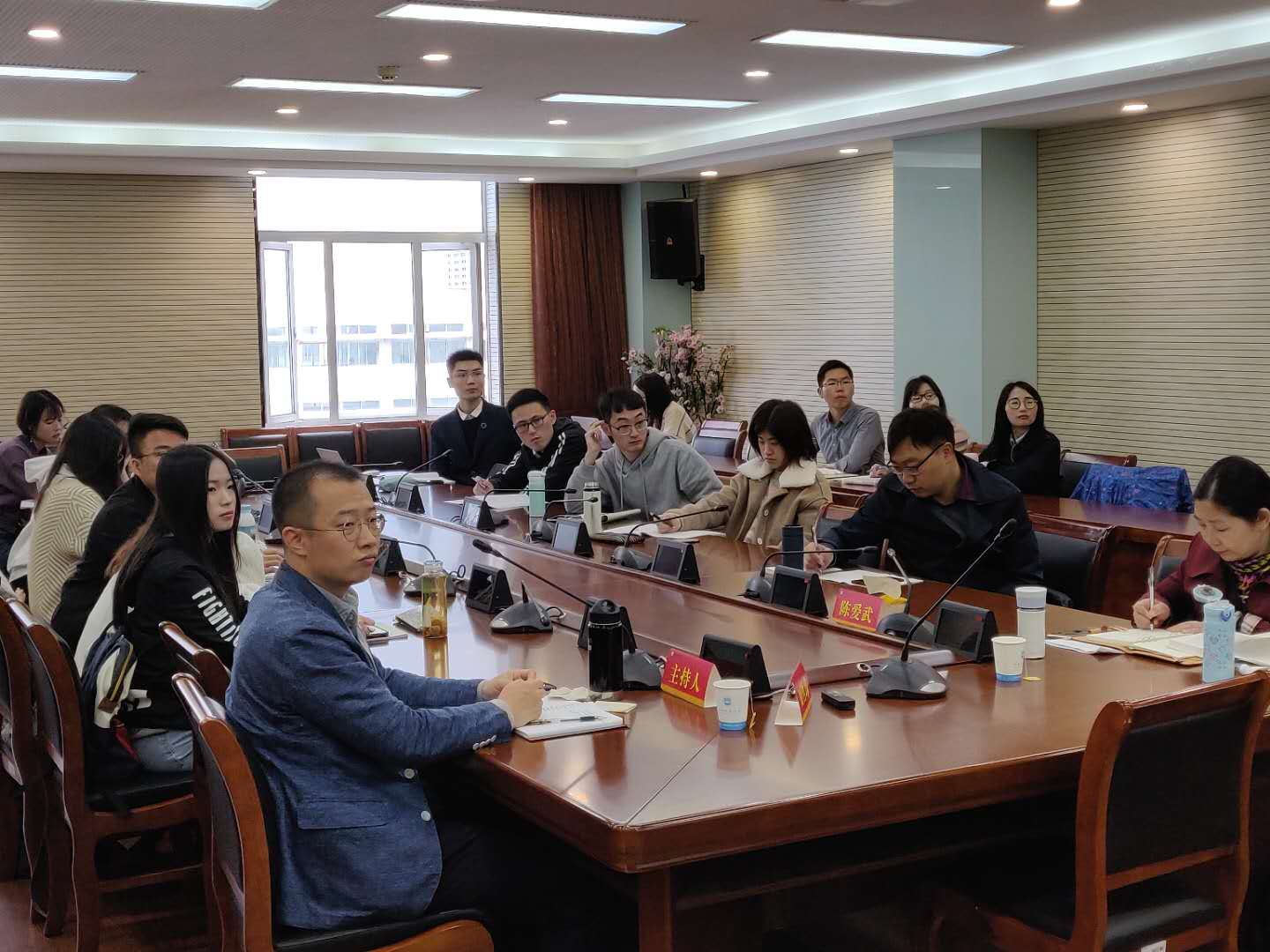
刘哲玮副教授此次的讲座主要分为五个部分,分别是:问题的提出、请求权检索、诉讼法上的法律检索与解释、诉讼标的的确定以及关联问题。
在讲座的第一部分,刘哲玮副教授展示了一个手机案的案例,引发大家关于请求权与诉讼标的的思考。
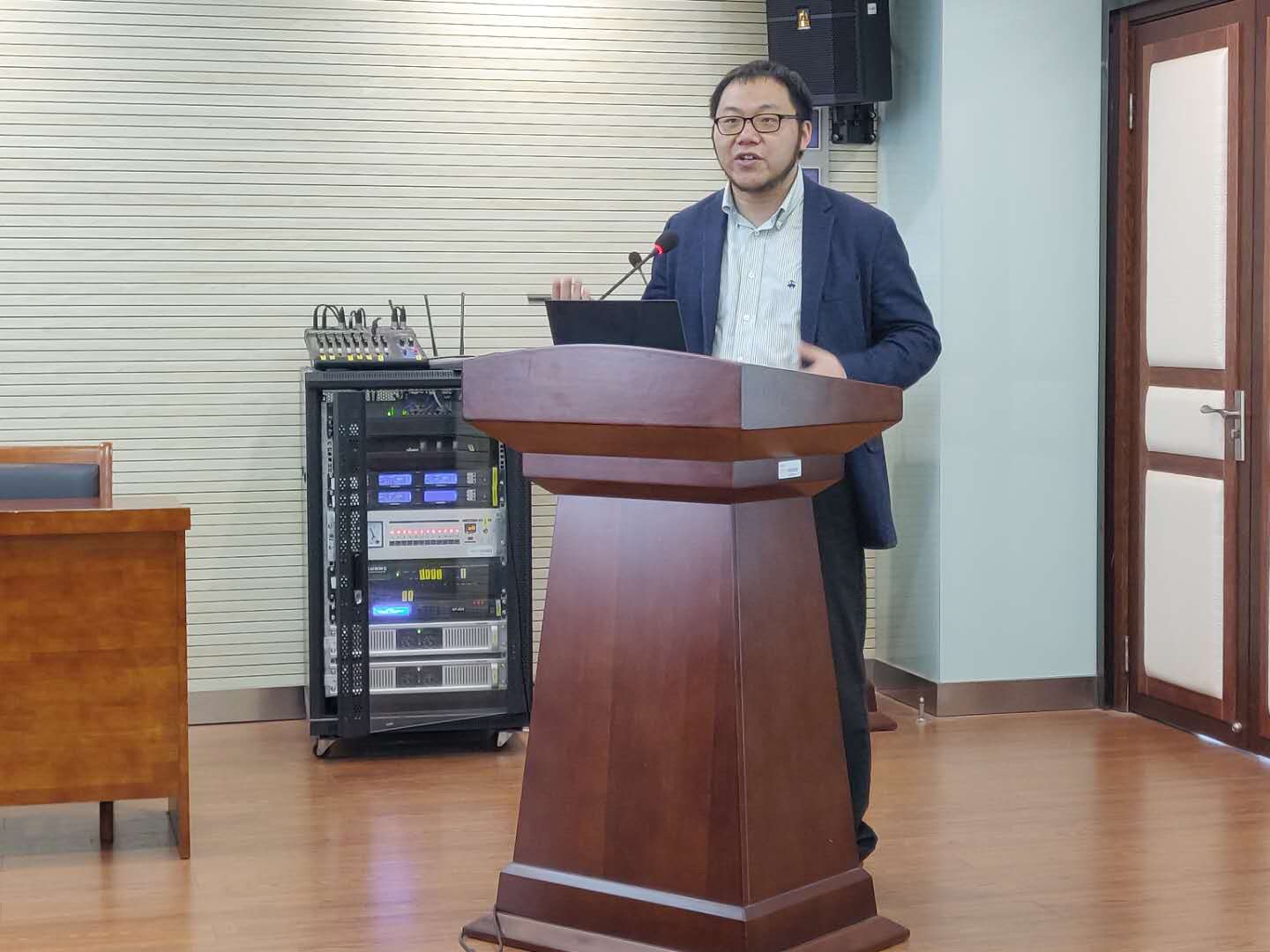
在讲座的第二部分,刘哲玮副教授介绍了请求权检索的两个步骤,展示了这两个步骤在上述手机案中具体应如何应用,同时还提出了这一手机案在诉讼法上可能出现的问题。请求权检索的两个步骤分别是确定请求的类型以及寻找请求权的基础。诉讼请求的类型主要包含:契约上的给付请求权、返还请求权、损害赔偿请求权、补偿请求权、支出费用偿还请求权以及不作为请求权。寻找请求权的基础实际上就是找法,于民法上具体而言可以表现为合同上的请求权、准合同请求权、无因管理、物权请求权、不当得利、侵权损害赔偿和其他法定请求权。
在讲座的第三部分,刘哲玮副教授主要对《民事诉讼法》第119条第3项进行了分析与阐述。关于《民事诉讼法》第119条第3项,主要有按要件拆分解释的文义解释方法以及按实质上的具体的诉讼请求和事实、理由来解释的另一种解释方法。刘哲玮副教授指出,前种文义解释方法有一定缺陷,后一种解释方法更为合理。
在讲座的第四部分,刘哲玮副教授对诉讼标的以及给付之诉诉讼标的的两大理论进行了阐述。诉讼标的可能包含的内容有原告的诉讼请求、原被告提出的法律依据、原被告主张的事实以及原被告提出的证据。之所以强调诉讼标的,与现有民事诉讼主要依照权利主张、法律依据、事实依据、证明手段的顺序展开的基本思维有关。给付之诉诉讼标的的两大理论分别是旧说和新说。旧说即实体法说,或者叫权利说;新说即诉讼法说,又叫纠纷说。其中,刘哲玮副教授对旧说表示支持,并说明了其不支持新说的理由。
在讲座的第五部分,刘哲玮副教授提出了案件可能引发的其他关联问题。例如,请求权是否必须在立案阶段选择?请求权是否必须选择准确?不懂法的当事人如何选择请求权?可否一次性选择多个请求权基础?
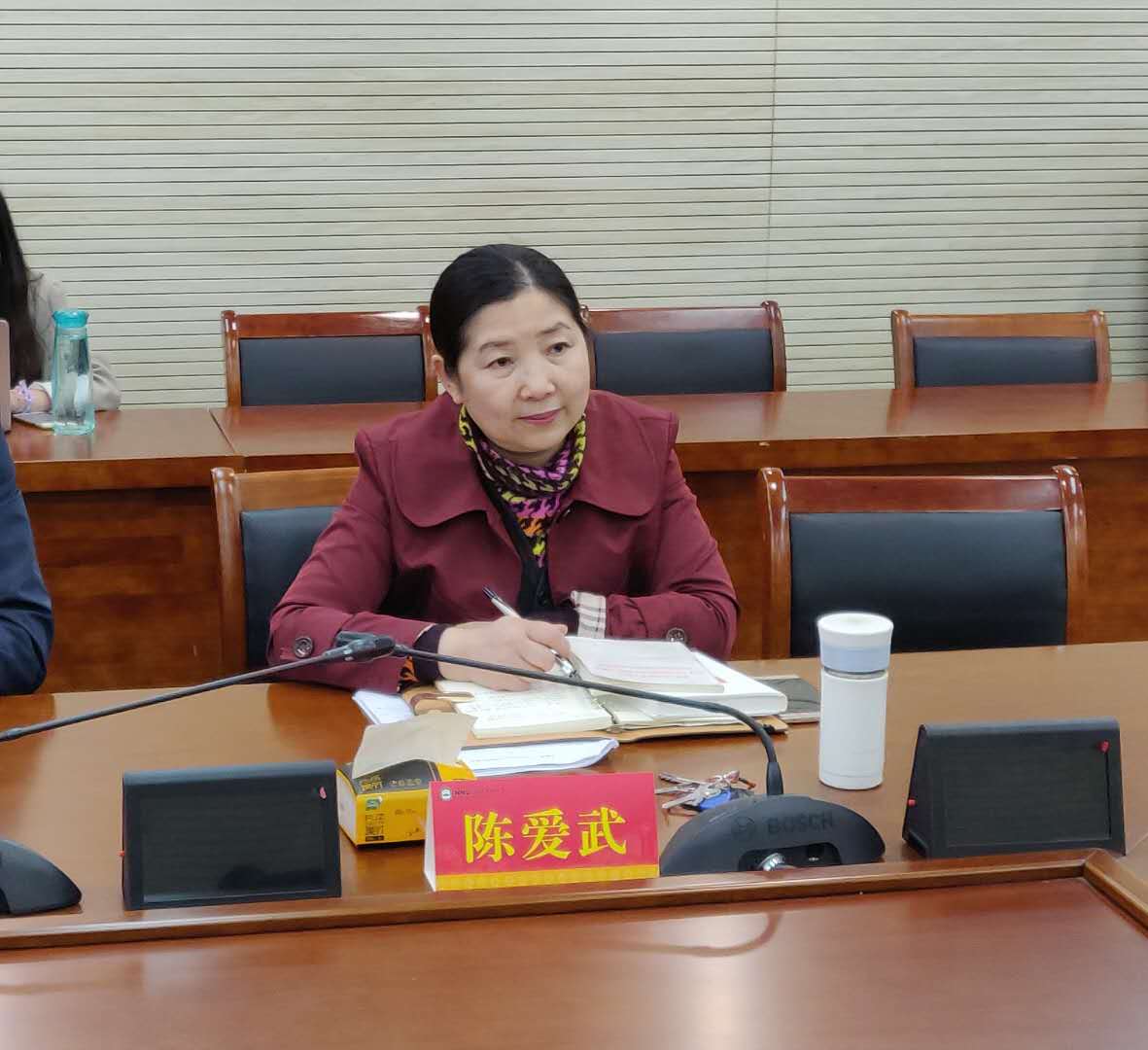
在与谈环节,陈爱武教授表示,刘哲玮副教授今天的讲座与教学工作相关,更与学生法律思维的训练相关。陈爱武教授提出,对于今天刘哲玮副教授的讲座,其最深刻的两个体悟即民法要与民事诉讼法相结合、诉讼法的学习要精细化。 当今许多法官的司法活动是相当粗糙与模糊的,还是需要诉讼理论的指导。而关于诉讼标的虽然有许多不同的理论,但是最关键的还是要切合实际去看待诉讼标的的问题。
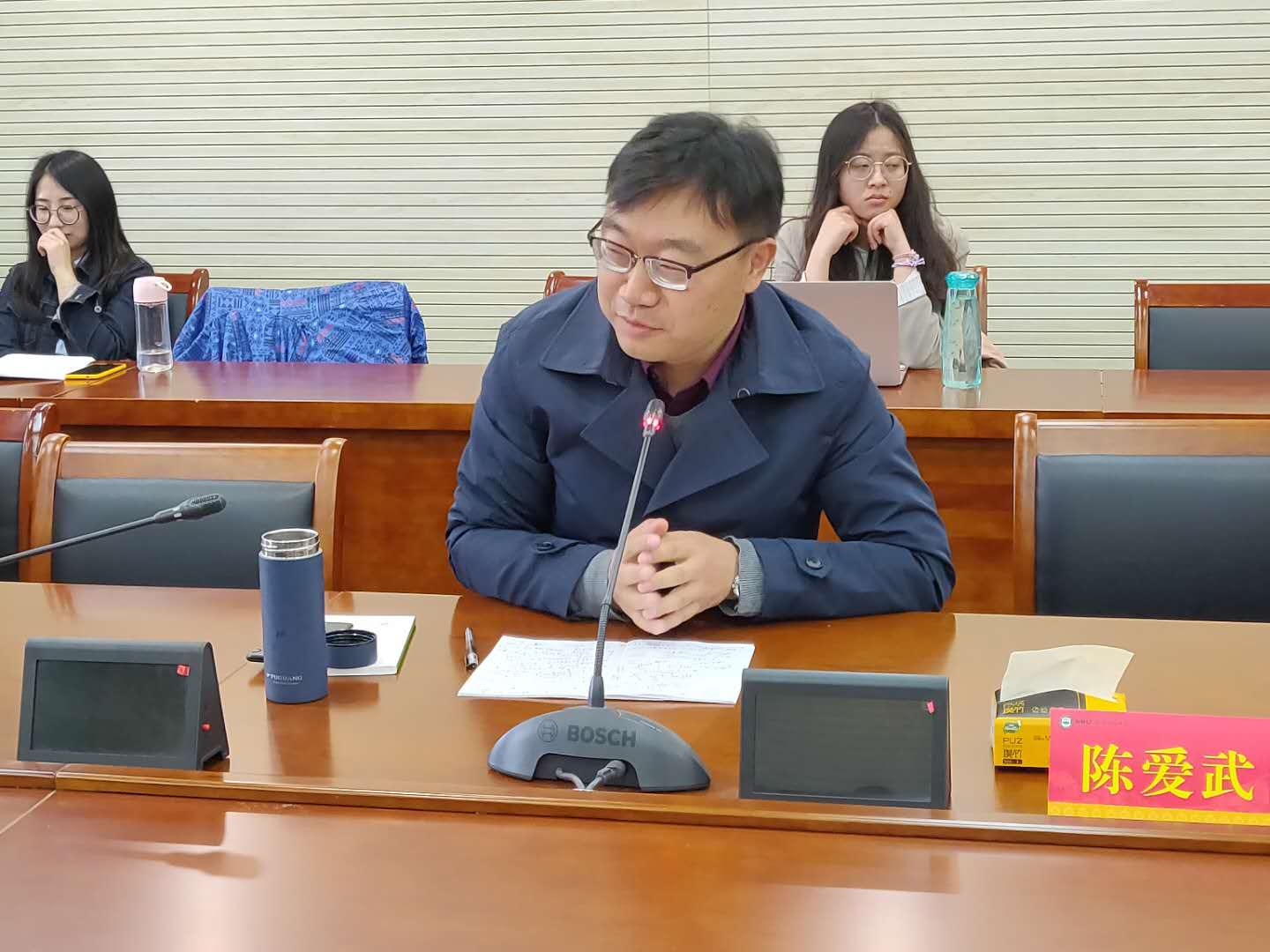
潘溪副教授也对刘哲玮副教授的讲座提出了自己的六点体会:第一,实体法要与程序法相结合;第二,在学习的过程中要将理论学习与实践训练相结合;第三,要将法律检索与法律解释学的范畴相结合;第四,要将学习的方法与审判实务的方法相结合;第五,要将学术研究与课堂教学相结合;第六,要将当下的法学实践与法学的理想情怀相结合。
在交流环节,刘哲玮副教授与同学就法官在有了实体审理过后依然裁判驳回起诉是否合理有效的问题进行了探讨。刘哲玮副教授认为,只有在没有经过实体判断时才能裁定驳回起诉,一旦对事实经过审理,就只能判决驳回起诉。
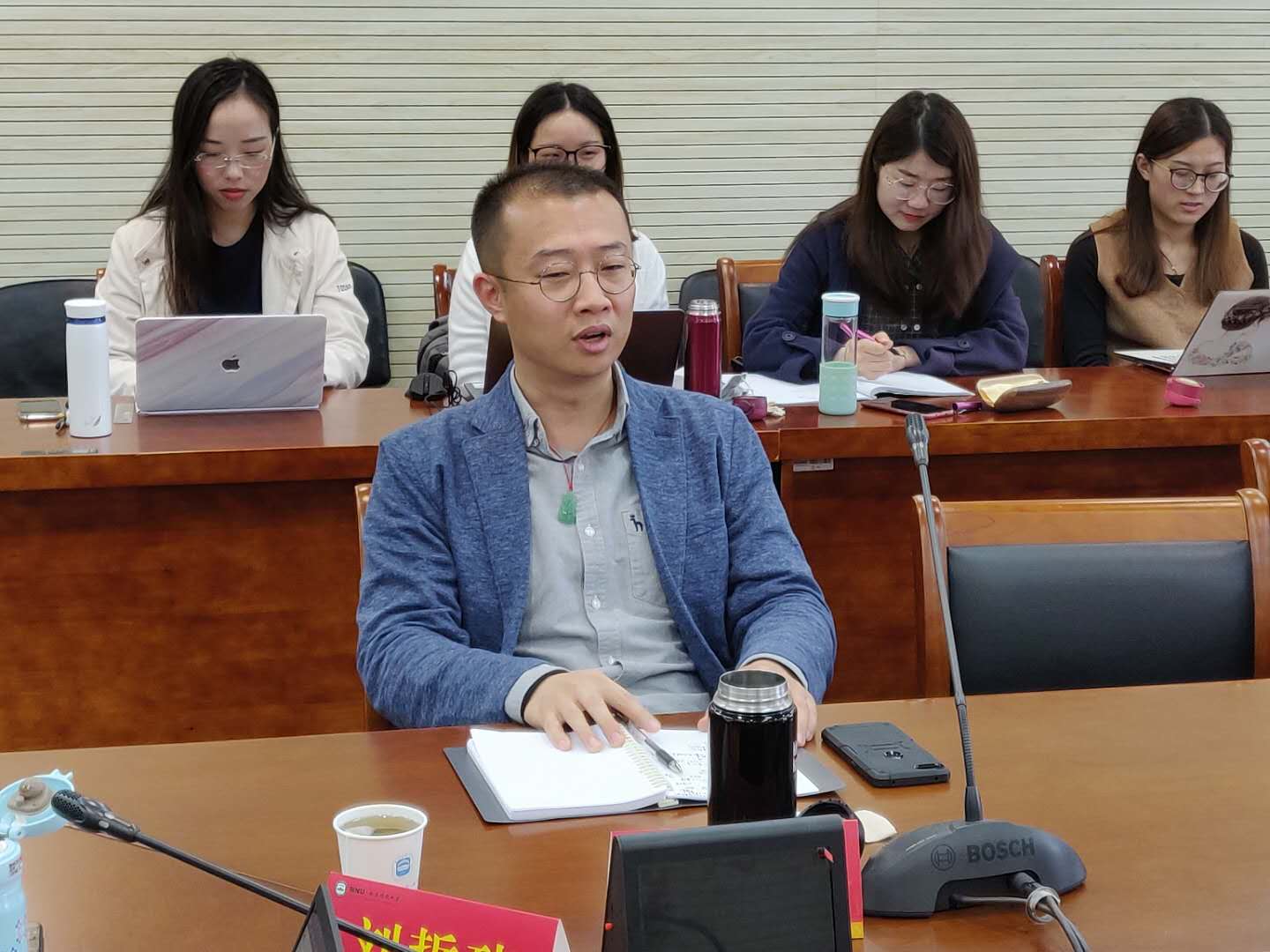
在讲座最后,马丁副教授对本次讲座进行了简要总结,并表示期待刘哲玮副教授今后再次莅临南师大博彩网址大全
做客讲学。到此,持续2个多小时的讲座在热烈的掌声中落下帷幕,同学们表示受益良多!
(文:黄泽亚;图:邹雪健)
The Lecture on the Right of Claim Retrieval and the Determination of the Object of Litigation held successfully in the Law School
Our law school was gladded to have Liu zhewei, associate professor of Peking University, to attend our beautiful campus on the afternoon of April 29, 2019, bring a wonderful lecture to teachers and students of the law school. The theme of the lecture was “The Right of Claim Retrieval and the Determination of the Object of Litigation”.This lecture chaired by Associate Professor Ma ding, Professor Chen aiwu and Associate Professor Pan xi joined the lecture to share their comments, besides that more than 50 graduate students and doctoral students attended the lecture.
The lecture was divided into five parts. In the first part, Professor Liu presented a case of Mobile Phone to enlighten the reflections upon the right of claim and the object of litigation.
In the second part, Professor Liu introduced two steps of right of claim retrieval and displayed the specific application of the steps in the case of Mobile Phone. The two steps are determining the type of claim and finding the basis of right of claim. The types of claims mainly include: claim for delivery, claim for restitution, claim for damages, claim for compensation, claim for reimbursement of expenses and claim for inaction. Finding the basis of right of claim means looking for legal provisions. The right of claims in Civil Law mainly include: right of claim in contract, right of claim in quasi contract, negotiorum gestio, right of real claim, unjust enrichment, tort compensation and other statutory right of claims.
In the third part, Professor Liu analyzed and interpreted Article 119, paragraph 3 of Civil Procedure Law of the People’s Republic of China, including literal interpretation method and another interpretation method based on specific claims, facts and reasons. Professor Liu considered that the former interpretation method has some defects, while the latter one is more reasonable.
In the forth part, Professor Liu explained the object of litigation, which may include the claims of the plaintiff, the legal basis put forward by the plaintiff and the defendant, the facts claimed by the plaintiff and the defendant and the evidences brought forward by the plaintiff and the defendant. The emphasis on the object of litigation is related to the basic thinking that the civil procedure mainly develops in the order of claim, legal basis, factual basis and the means of proof. During the development of the theory of litigation object, there mainly exists two theories, the theory of old substantive law and the theory of procedural law, which Professor Liu preferred the former theory.
In the last part, Professor Liu raised other related issues that might arise, such as whether the right of claim must be chosen at the filing stage? Whether the right of claim must be chosen accurately? How do parties concerned who do not understand the law choose the right of claim? Is it possible to select multiple claim bases at one time?
In the discussion section, Professor Chen aiwu said that the lecture today was not only related to teaching work, but also to the training of students’ s legal thinking. The two most profound understandings are that legal learning should combine civil law with civil procedural law and the study of procedural law should be refined. Nowadays, many judges' judicial activities are rather rough and vague, and they still need the guidance of litigation theory. Although there are many different theories on the object of litigation, the most important thing is to look at the issue in accordance with the reality.
Associate Professor Pan xi also put forward six points of his own experience on the lecture. Firstly, substantive law should be combined with procedural law. Secondly, theoretical learning should be combined with practical training. Thirdly, legal retrieval should be combined with legal interpretation. Fourthly, learning method should be combined with judicial practice method. Fifthly, academic research should be combined with classroom teaching. Lastly, current law practice should be combined with the ideal feeling of law.
During the Q&A session, Professor Liu and the classmate discussed the way of judge judges. Professor Liu thought that when judges have heard the case substantially, the prosecution can only be dismissed by judgement.
At the end of the lecture, Associate Professor Ma ding gave a brief summary of the lecture and expressed his expectation that Professor Liu would come to our school in the future. So far, the lecture which lasted more than two hours ended with warm applause and the students expressed that they had acquired much knowledge from this lecture.

